Advancing Low-Precision Computing for Efficient Large-Model Deployment: GCC-HiFloat Community Hosts Workshop at CNCC 2026 in Chengdu
CNCCForum
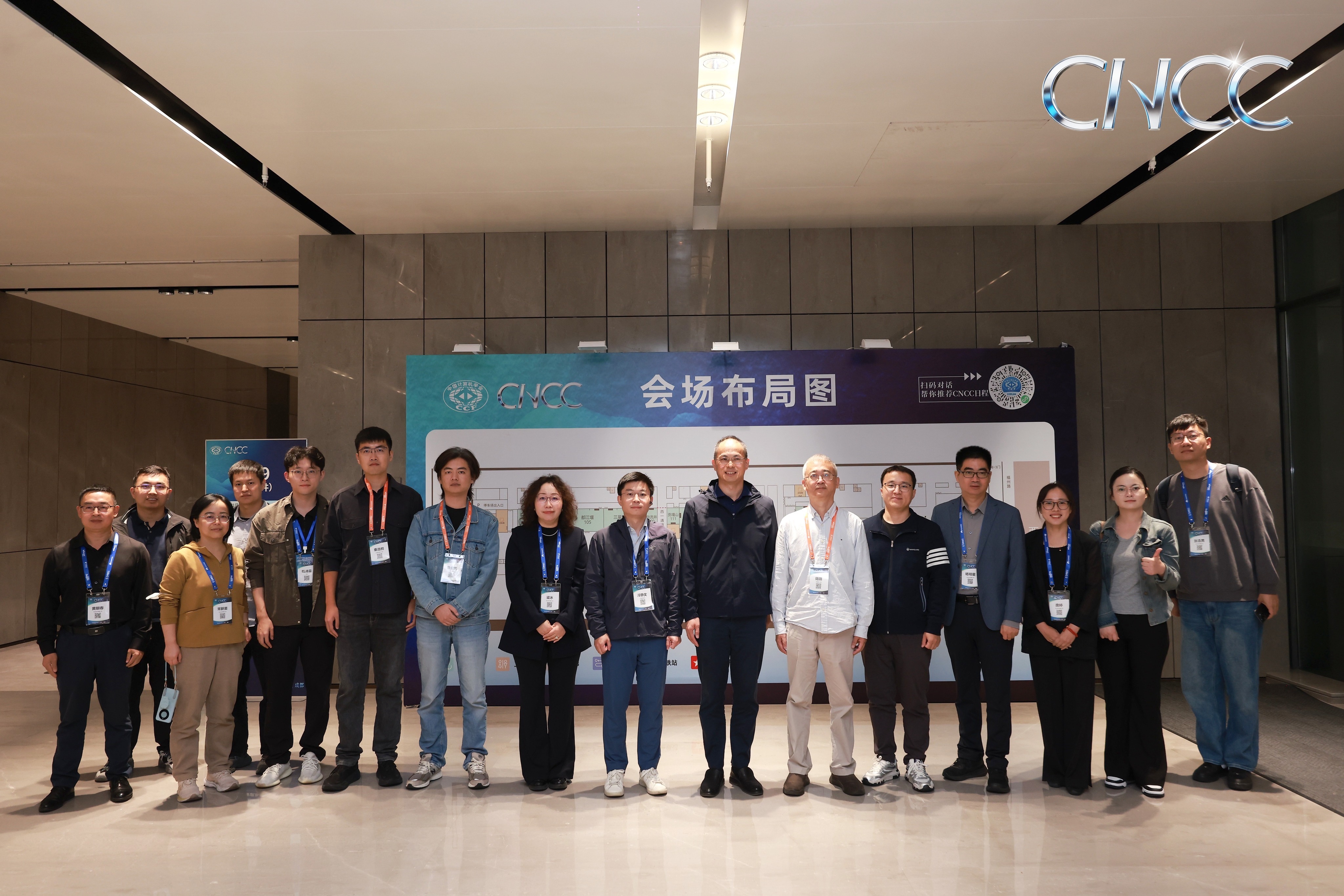
On October 22, 2026, the GCC-HiFloat community hosted a low-precision computing workshop at CNCC 2026. Experts from universities, research institutes, and industry shared research findings and practical experience in numerical principles, data formats, model quantization, and hardware–software co-optimization, exploring ways to improve the efficiency of large-model training and inference.
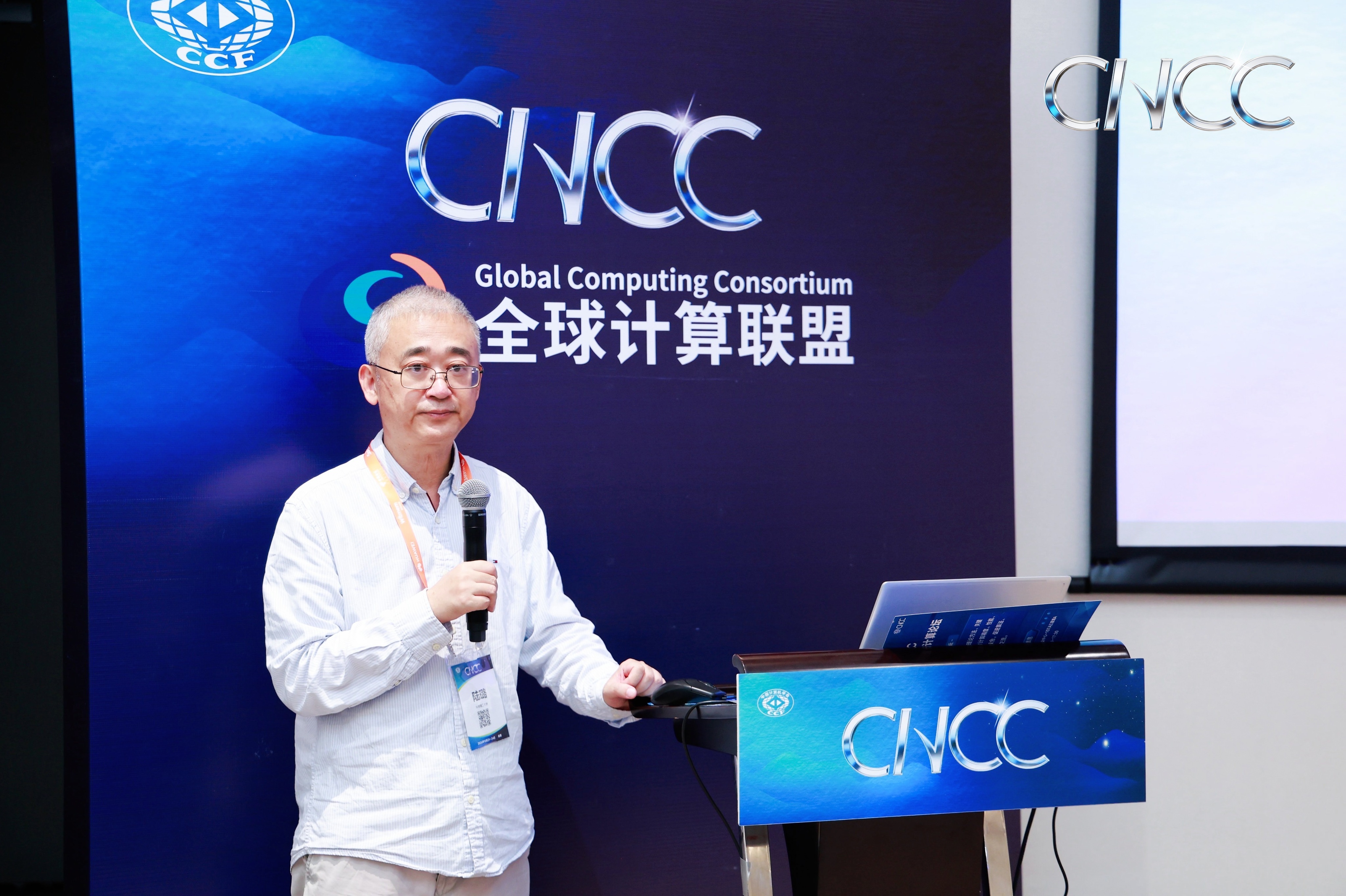
Professor Lu Lu of South China University of Technology presented “Developing and Optimizing Low-Precision Quantization Operators.” Using low-precision matrix multiplication and FlashAttention as examples, he examined bottlenecks arising from scaling factors, memory access, and synchronization overhead. He noted that as bit widths decrease, non-matrix computation overhead becomes more prominent. He advocated identifying bottlenecks through performance modeling, ablation studies, and pipeline optimization, alongside coordinated improvements in hardware resource allocation.
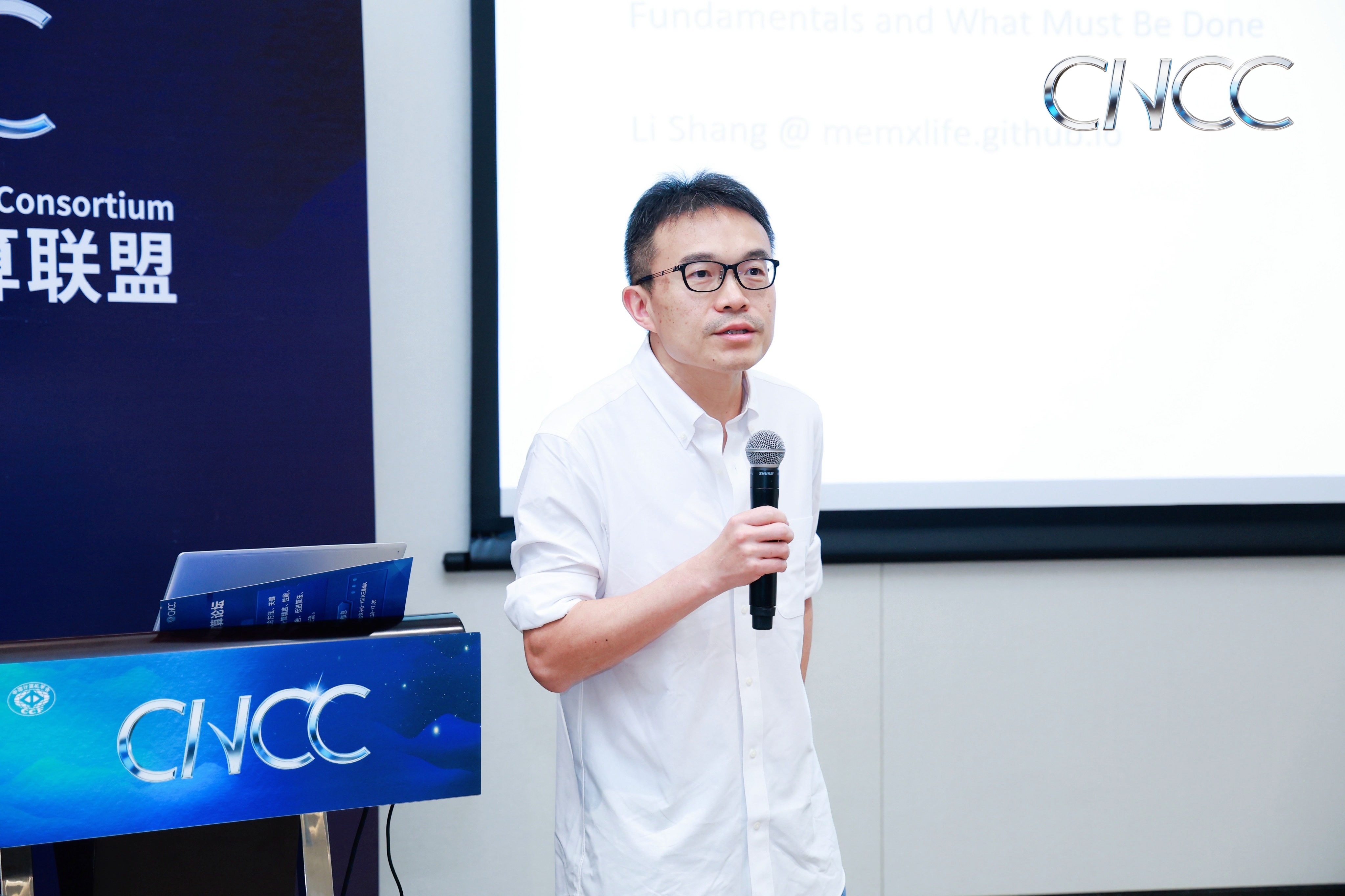
Professor Li Shang of Fudan University delivered a presentation titled “Numerical Precision in Large Models: Mechanisms and Bottlenecks.” Starting from spectral anisotropy, he analyzed how quantization affects long-tail information and task-sensitive directions, and introduced methods including Metis and Averis. He emphasized that aggregate quantization error alone cannot adequately measure model degradation. Instead, attention should be paid to systematic bias and error direction, preserving information associated with weaker spectral components and exploring lossless low-precision learning.
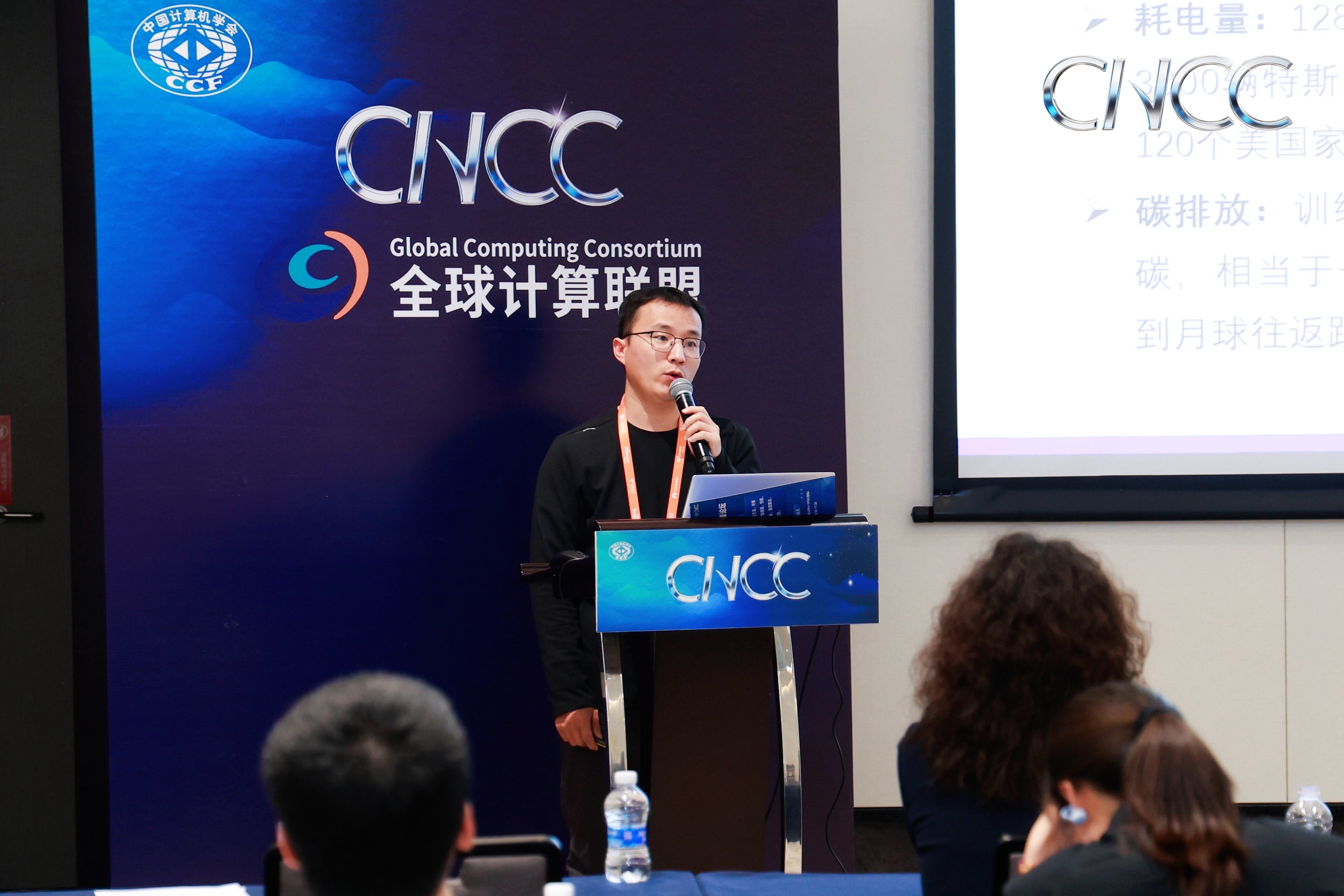
Researcher Peisong Wang of the Institute of Automation, Chinese Academy of Sciences, presented “Quantization, Compression, and Efficient Deployment of Large Models.” He introduced advances in layer-wise rotation calibration, block-wise FP4 quantization, multimodal mixed precision, and adaptive offloading. He noted that compression methods should be tailored to data distributions and hardware characteristics. While preserving model accuracy, they should also account for inference behavior, improving deployment efficiency through coordinated optimization of algorithms, operators, and hardware.
Researcher Jinming Lu of Nanjing University presented “The Evolution of Low-Precision Data Formats for AI Computing and Hardware–Software Co-Optimization.” He traced the evolution from general-purpose floating-point formats to hierarchical scaling formats and discussed explorations in segmented integers, logarithmic block floating point, and lookup-table-based computation. He emphasized the need to consider encoding space, scaling granularity, and data distributions together, jointly optimizing formats, algorithms, compilation, and architecture to translate lower bit widths into system-level energy efficiency.
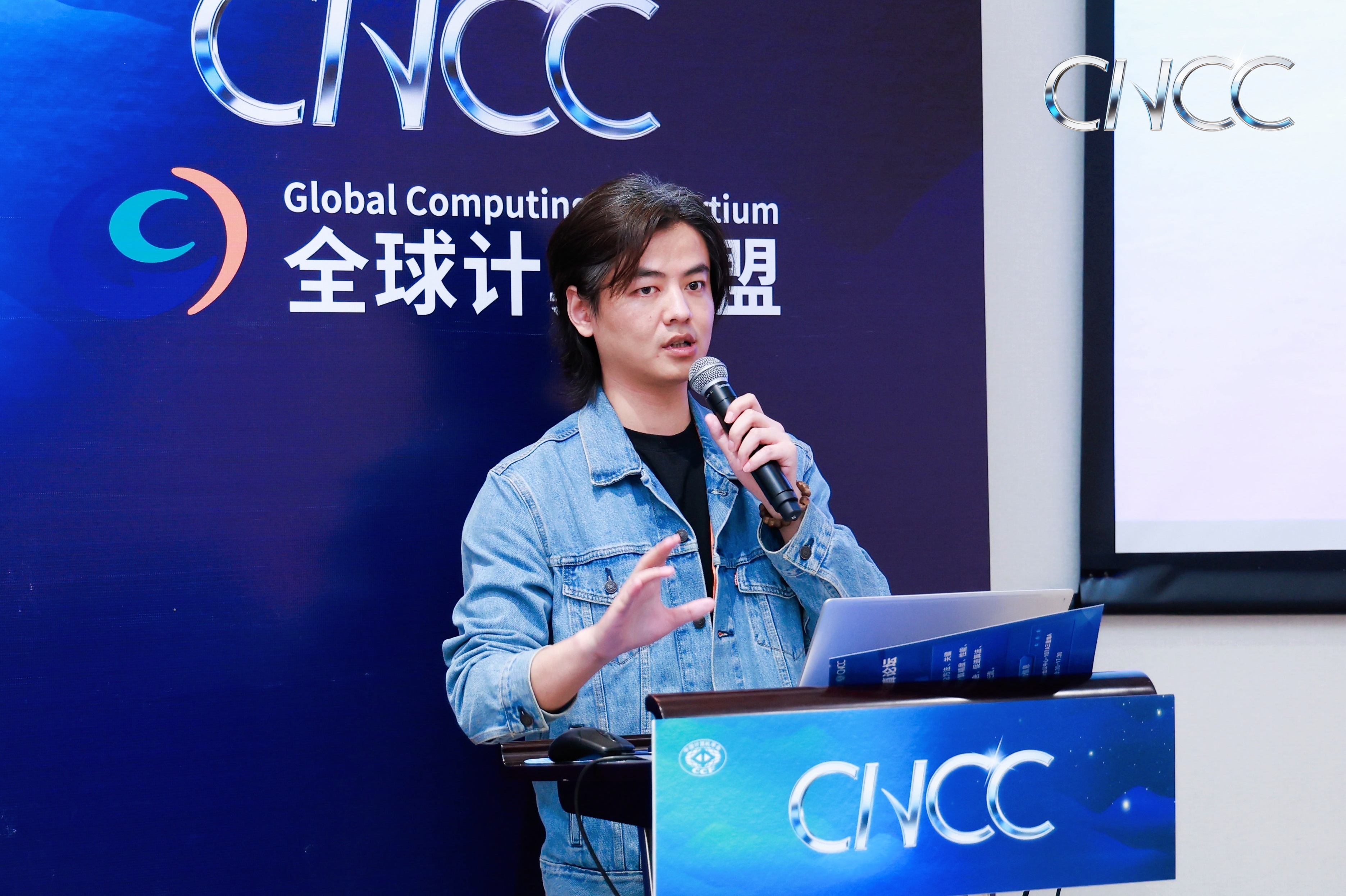
Professor Jingwen Leng of Shanghai Jiao Tong University delivered “Ultra-Low-Bit Large-Model Inference: From Numerical Representation to Efficient Execution.” He introduced research on adaptive numerical formats, metadata compensation, and numerical simulation faithful to real hardware. He noted that decoding and prefill must address memory-access and compute bottlenecks, respectively. Quantization evaluation should also reflect hardware accumulation, rounding, and reduction behavior, enabling ultra-low-bit inference through coordinated format and execution design.
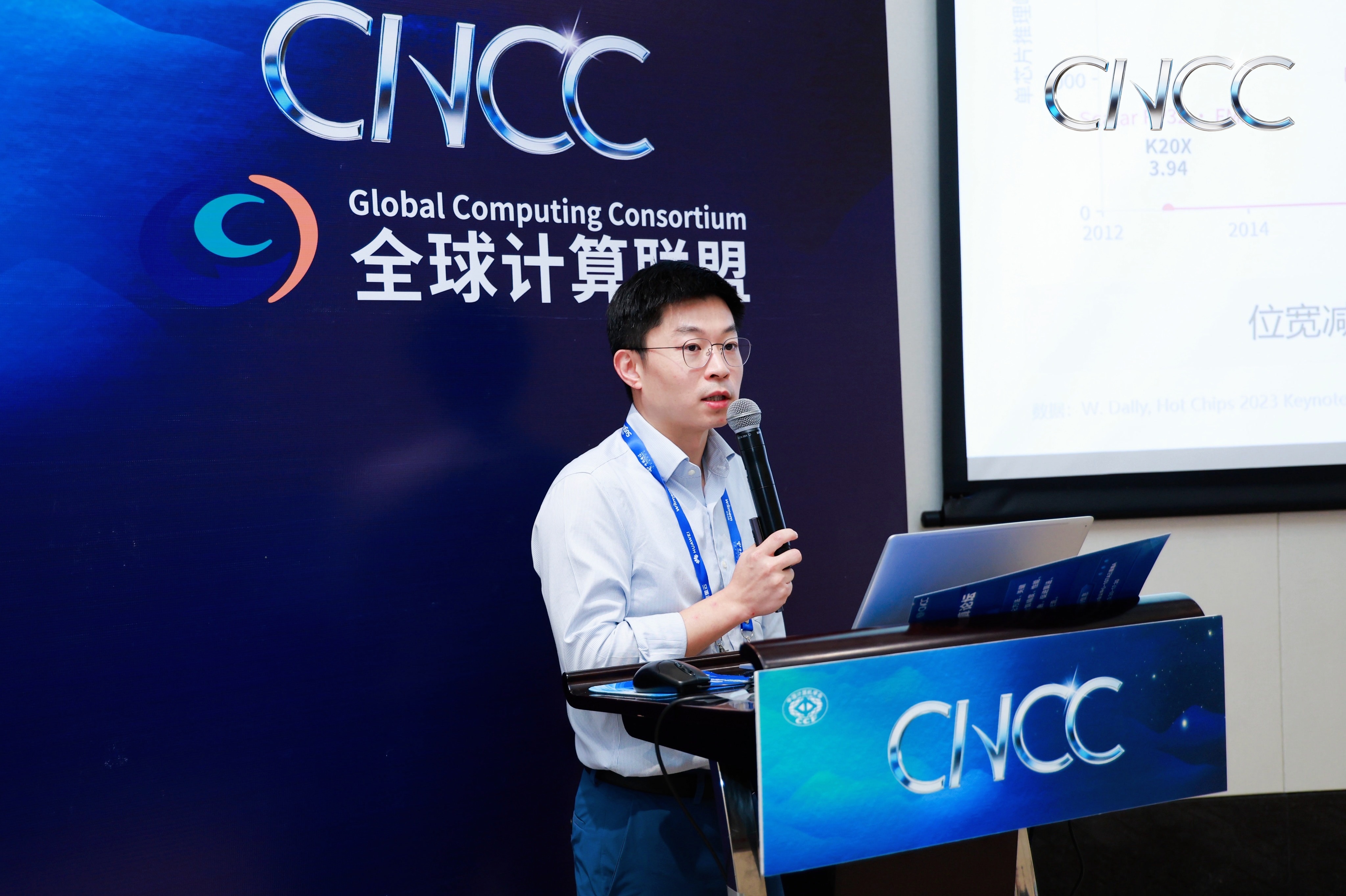
Haotong Qin of The Hong Kong Polytechnic University presented “Toward Foundation Models at Extremely Low Precision: From Numerical Values and Tensors to Temporal Reuse.” He discussed research progress across numerical quantization, tensor compression, and temporal reuse, introducing methods such as 2-bit quantization, stage-wise video quantization, and feature reuse. He advocated preserving critical information, compressing redundant representations, and reducing repeated computation to balance model capabilities with practical speedups.
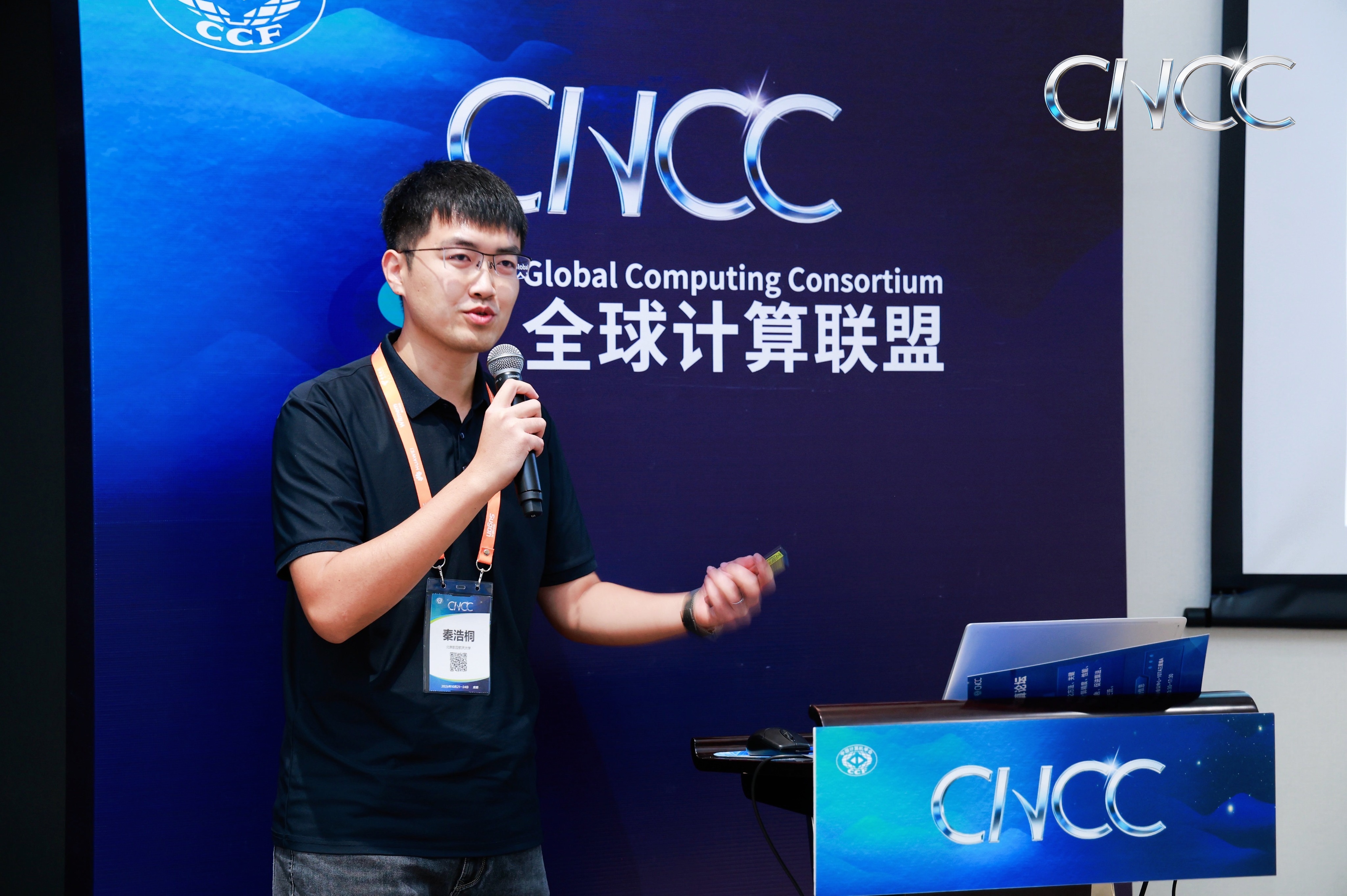
Sitan Li of Huawei Technologies Co., Ltd. presented “HiFloat Data Formats and Practical Applications.” She introduced HiF8’s tapered precision, HiF4’s three-level shared scaling, and applications in training and inference. She emphasized that appropriate scaling is essential to realizing the benefits of these formats. Combined with operator fusion and continuous low-precision data flows, it can reduce format-conversion and data-movement overhead, extending optimization from individual operators to end-to-end model performance.
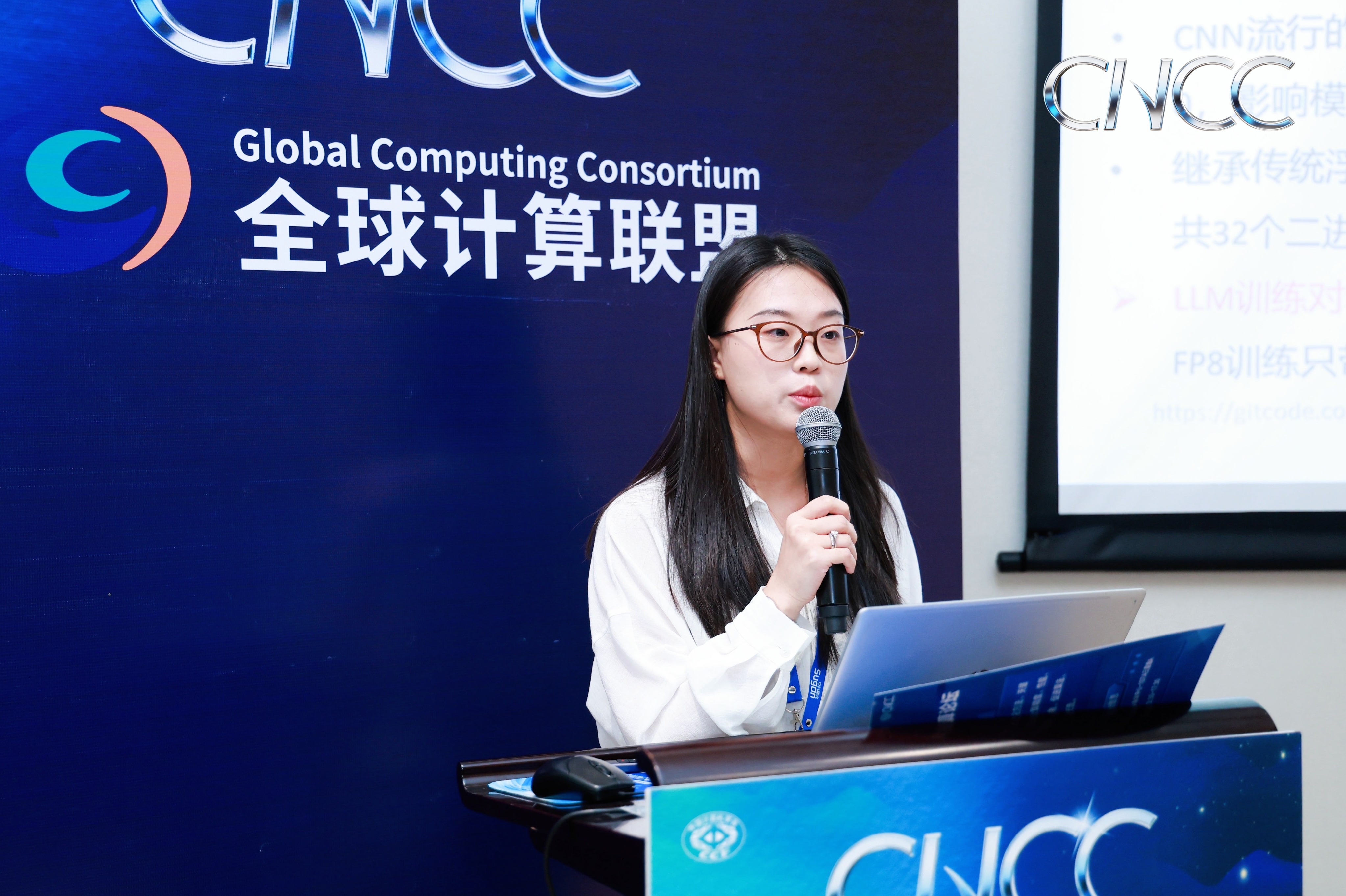
The forum showcased advances in low-precision computing spanning numerical theory, format design, and practical deployment, providing a platform for exchange among academia, research, and industry. The presentations highlighted that continued progress requires balancing information fidelity with execution efficiency, using hardware–software co-optimization to translate lower bit widths into measurable gains in performance and energy efficiency.